Evolution’s Connecticut Studio Launch: How Localization Drives Live Game Show Success
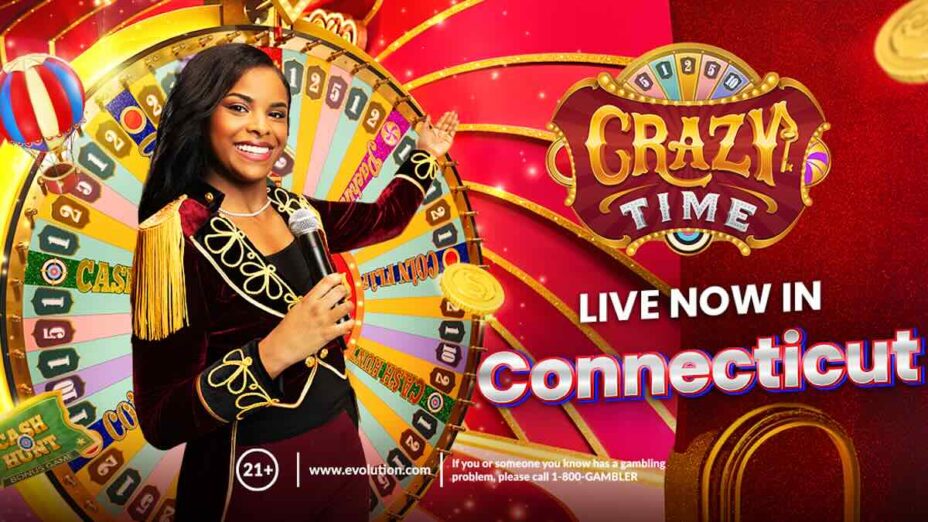
The launch of Evolution’s dedicated studio in Connecticut stands as a watershed moment in the global expansion of live dealer entertainment, particularly for the burgeoning U.S. market. This strategic move transcends a simple geographical expansion; it represents a masterclass in localization, a deliberate and nuanced approach to embedding a global product within a specific cultural and regulatory framework. The centerpiece of this initiative has been the introduction of the wildly popular live game show, Crazy Time, produced directly from American soil. For an international audience observing the dynamics of the iGaming industry, the Connecticut studio offers a compelling case study in how top-tier providers like Evolution leverage hyper-local production to achieve global resonance, ensuring their flagship titles like Crazy Time, Monopoly Live, and Dream Catcher maintain their universal appeal while speaking directly to regional audiences.
The Strategic Imperative of U.S. Studio Localization
For years, the international live casino market was primarily served from studios located in Europe and other traditional hubs. While this model proved successful globally, the unique and fragmented nature of the United States market, with its state-by-state regulatory landscape and distinct player preferences, demanded a new strategy. Evolution’s investment in a Connecticut-based production facility is a direct response to this challenge. Localization, in this context, goes far beyond mere language translation. It encompasses a holistic adaptation that includes the cultural nuances of the hosts, the integration of regionally relevant themes and references, and crucially, adherence to specific state-level licensing and compliance requirements. This approach builds a crucial layer of trust and familiarity for American players, making the experience feel less like an imported product and more like a homegrown spectacle. For providers like Pragmatic Play Live and Playtech Live, who also eye the U.S. market, Evolution’s move sets a clear precedent: deep, operational localization is key to sustainable success.
Crafting the American Live Game Show Experience
The production value emanating from the Connecticut studio is tailored to resonate with a North American sensibility. This is evident in the casting of game show hosts who possess a charismatic, engaging style familiar to viewers of U.S. television game shows. Their banter, timing, and interaction with the virtual audience are calibrated for local appeal. Furthermore, the set design, graphics, and even the pacing of games like Crazy Time are refined through this local lens. This meticulous attention to detail ensures that while the core mechanics of the game remain consistent worldwide—the thrilling spin of the colossal wheel, the bonus rounds like Coin Flip, Cash Hunt, and Pachinko—the presentation feels immediately accessible and engaging to the primary target market.
Regulatory Synergy and Market Access
Operating a licensed studio within a regulated state like Connecticut is not merely a logistical choice; it is a strategic necessity. It allows Evolution to produce content that is fully compliant with the regulations of that state and others with reciprocity agreements. This local production base simplifies the compliance process for partner operators offering Evolution’s games in the U.S., ensuring a smoother and more reliable service for players. It also positions Evolution perfectly to swiftly adapt and deploy its portfolio, including titles like Lightning Roulette and Gonzo’s Treasure Hunt, as new states legalize online casino gaming, providing a scalable model for nationwide coverage.
Crazy Time: The Flagship Game Show’s American Debut

The choice to launch Crazy Time from the Connecticut studio was a deliberate and symbolic one. As Evolution’s most ambitious and visually spectacular live game show, its success is a bellwether for the provider’s overall strategy. Producing Crazy Time locally for the U.S. market allows for a seamless integration of the game’s chaotic energy with a presentation that feels native. The host’s ability to connect with players, explain the multifaceted bonus rounds, and maintain the high-octane atmosphere is amplified when there is a shared cultural context. This localized production mitigates any potential sense of disconnect that international players might sometimes feel, ensuring that the immersive experience of chasing multipliers on the Crazy Time wheel is as potent in New England as it is in markets across Europe or Asia.
Beyond Connecticut: A Blueprint for Global Expansion
While focused on the American market, the Connecticut studio project offers invaluable lessons for Evolution’s global operations. The principles of effective localization—cultural adaptation, regulatory alignment, and tailored production—are universally applicable. As Evolution continues to expand in regions like Latin America, Canada, and Africa, the template established in Connecticut will inform studio launches elsewhere. The goal is to replicate the success of games like Mega Ball and Funky Time by ensuring they are produced in environments that understand and reflect local player demographics and preferences. This decentralized yet unified production network strengthens Evolution’s global brand, allowing it to offer a consistently high-quality product that nevertheless feels personally crafted for each market.
Actionable Insights for the International Live Casino Enthusiast
For the international player keen on exploring live game shows, understanding the role of localization can enhance the experience. When engaging with a game like Crazy Time from the Connecticut studio, pay close attention to the host’s presentation style and audience interaction; it reflects a tailored approach designed for specific player sensibilities. Furthermore, players should seek out platforms that are licensed in their jurisdiction and offer games produced for their region, as this often indicates a higher standard of regulatory compliance and customer protection. Another strategic tip is to familiarize oneself with the game rules and bonus round mechanics thoroughly before wagering, regardless of the production studio’s location. Games like Monopoly Live and Deal or No Deal Live have complex bonus features that reward knowledgeable engagement. Starting with lower-stake bets while learning the flow of a new game show, even one as globally popular as Crazy Time, is always a prudent approach to managing one’s bankroll effectively.
The Future of Localized Live Entertainment
The success of Evolution’s Connecticut studio is likely to accelerate investment in regional production hubs across the world by all major live casino providers. The future points towards an even more personalized live dealer experience, where game shows might incorporate region-specific themes, celebratory events, or local celebrity guest appearances alongside the core gameplay. This hyper-localization, powered by studios like the one in Connecticut, will deepen player engagement and loyalty. It also raises the bar for innovation, pushing competitors to develop new game formats and interactive features that can be similarly adapted for diverse markets. The live casino landscape is evolving from a one-size-fits-all model to a mosaic of locally-produced, globally-distributed entertainment, with the player’s cultural context placed firmly at the center of the experience.
As the live casino industry continues its rapid global growth, the importance of responsible gambling cannot be overstated. The immersive and entertaining nature of live game shows like Crazy Time is designed for enjoyment. Players must always set clear limits on time and money spent, never chase losses, and view gambling strictly as a form of paid entertainment, not a source of income. It is crucial to utilize the responsible gambling tools provided by all reputable operators, such as deposit limits and self-exclusion options. Remember, the true success of any game, whether produced in Connecticut, Riga, or Manila, is measured by the player’s ability to engage with it safely and sustainably.

Written by